
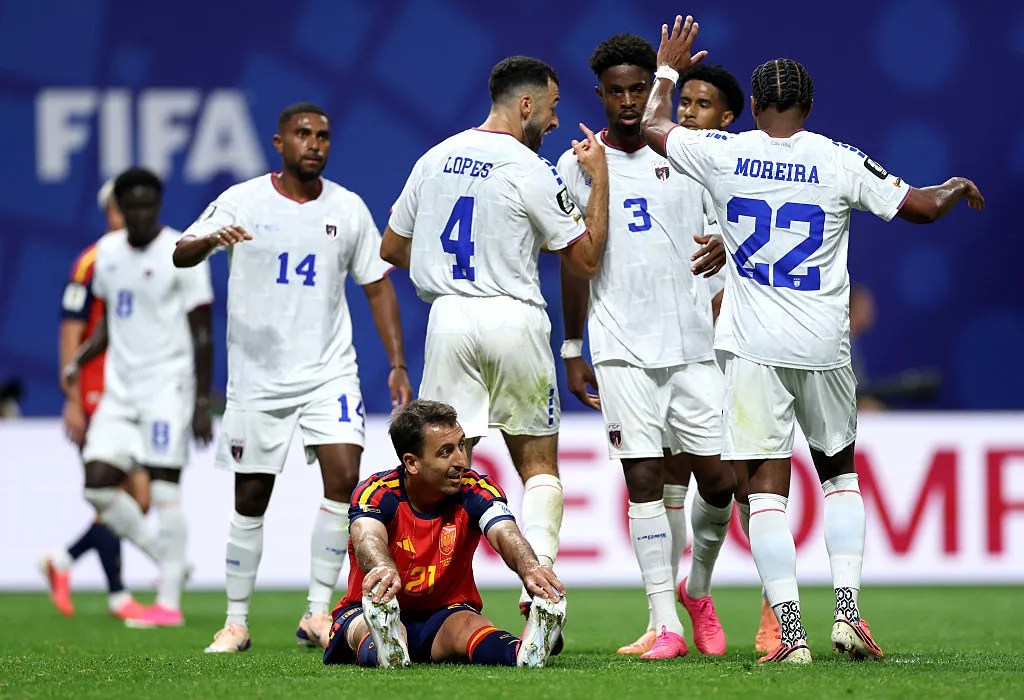
Commentators during the match said Cabo Verde’s match against Spain would be a victory if it ends in a draw. People on social media were saying it’s basically a win for Cabo Verde if it’s still 0-0 by the first hydration break.
That’s a tad dramatic.
It’s possible viewers were assuming the quality of Cabo Verde would mirror that of the other island in the Atlantic Ocean that starts with a “C” that recently got battered by a European powerhouse a day earlier.
But you have to understand, Cabo Verde was going to be competitive. And a result like this has been in the making for the last few years now.
Cabo Verdean Football Federation’s Strategy
All member associations in the Confédération Africaine de Football (CAF) receive annual funding from CAF for purposes of improving the football landscape in their respective countries. With the strategic use of CAF funding and other investments since the association’s inception in 1986, the Cape Verde Football Federation (FCF) was able to build industry standard training facilities, refurbish old ones and identify talent. Other member associations may have found a way to misuse the money, but it appears Cabo Verde used it well.
They are gaining more respect in West African football, after having hosted the West African Football Association Zone A (WAFU-A) meeting in February 2025 (for those that do not know, within CAF, there are six different zones that are comprised of a few member associations in that particular region of Africa). WAFU-A is made up of Senegal, Sierra Leone, Guinea, Guinea-Bissau, Gambia, Liberia, Mali, Mauritania, and Cabo Verde. The president of the Cape Verdean Football Federation, Mário Semedo, believes hosting such a meeting gives Cape Verde credibility to national sports institutions and opens doors to future opportunities.
The strategic use of CAF subvention funds, the hosting of WAFU-A, and all of the background work happening at the federation level have helped establish Cabo Verde’s solid football foundation. The Cabo Verdean Football Federation’s general secretary, Dan Merkel, attributed their on-the-field success to their concerted focus on grassroots development. The efforts of the Blue Sharks in the 2023 edition of the African Cup of Nations was one of west African island’s early successes.
2023 AFCON
In only their second AFCON appearance, their first since their debut in 2013, Cabo Verde went on an historic run. In a group with Egypt, Ghana, and Mozambique, Cabo Verde topped it following victories over Ghana and Mozambique and drawing Egypt. They progressed, and faced fellow Cinderella team Mauritania, ultimately defeating them 1-0 to advance to the quarterfinals. In a heavily contested match against South Africa, the 0-0 match went to a penalty shootout. Both teams were poor from the spot, especially Cabo Verde, and that’s what prevented them from notching a semi-final berth.
But that tournament put the team on notice.
Months after their brutal quarterfinal exit, secretary Merkel saw that tournament as a glimpse of what’s ahead:
“The future looks bright for the Blue Sharks as the strong foundation laid by the FCF has transformed the national team from a talented underdog to a force to be reckoned with in African football and a model for the other Member Associations to emulate and draw inspiration from. There is still a lot of work to be done but we believe we are not too far off from our vision.”
Indeed, they are a force in African football, especially a defensive one.
Cabo Verde’s record since 2023 AFCON exit
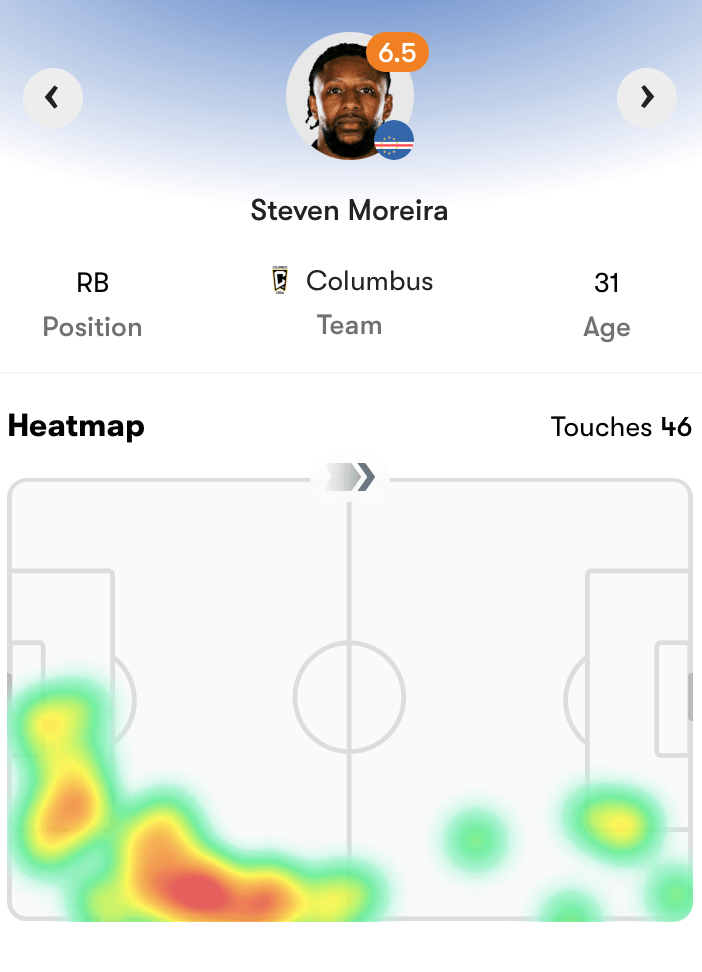
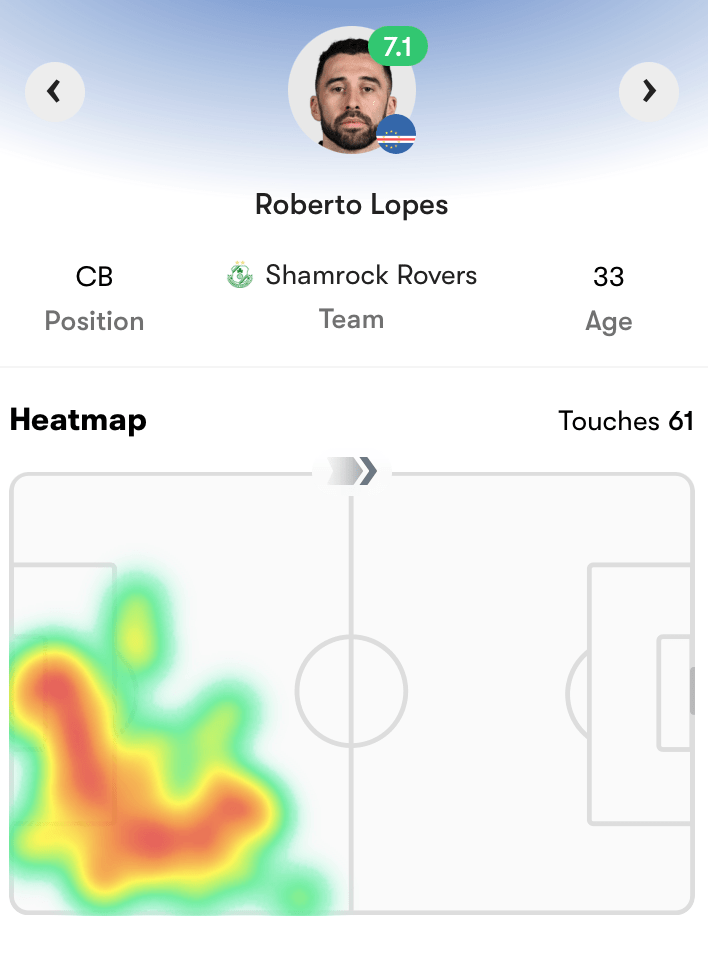
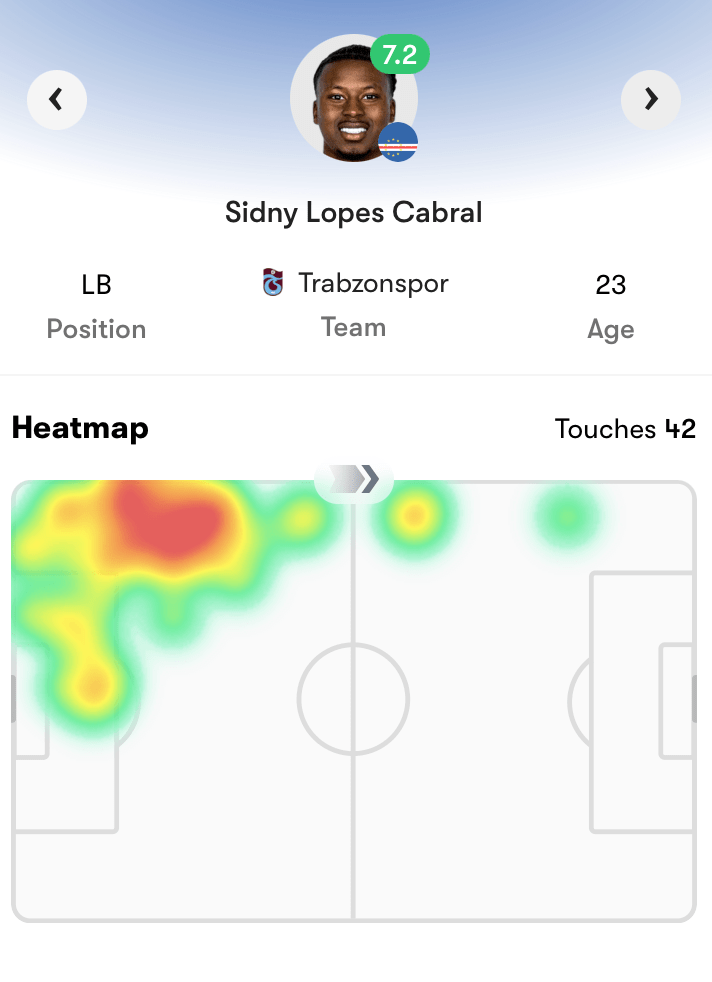
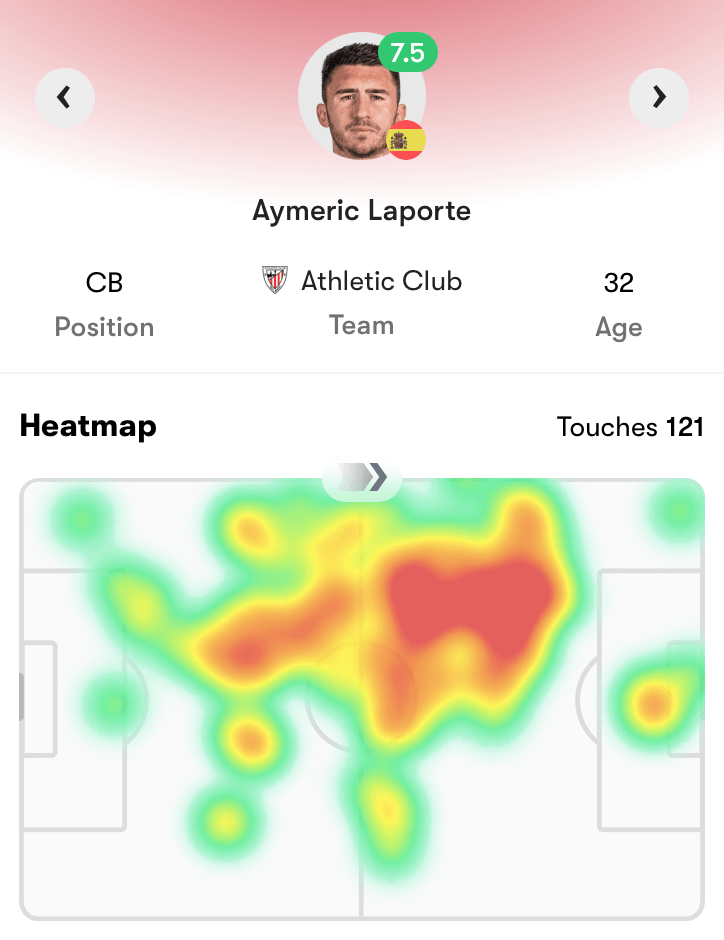
The match against Spain highlighted Cabo Verde’s ability to frustrate their opponents. The heat maps of the Cabo Verde backline tell the story: they did not leave their half. They sat in front of their goal and protected it. Spain, on the other hand, had their backline function like midfielders and wingers, positioning themselves way up in the opposition’s’ half. This defensive playing style is what Cabo Verde excels at, and it has been their strength, especially since their exit from the 2023 AFCON.
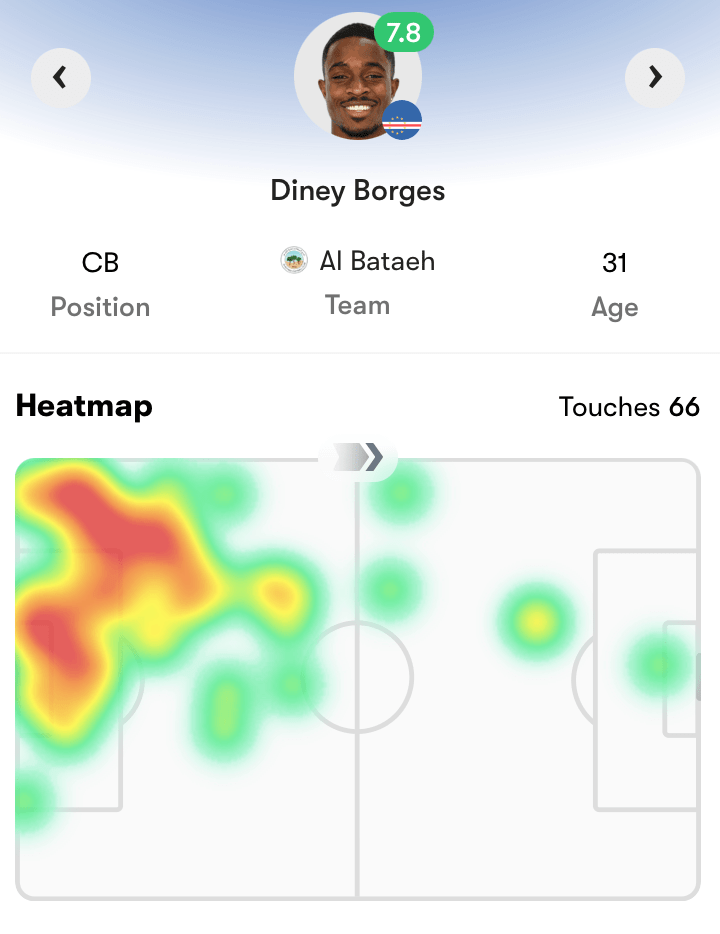
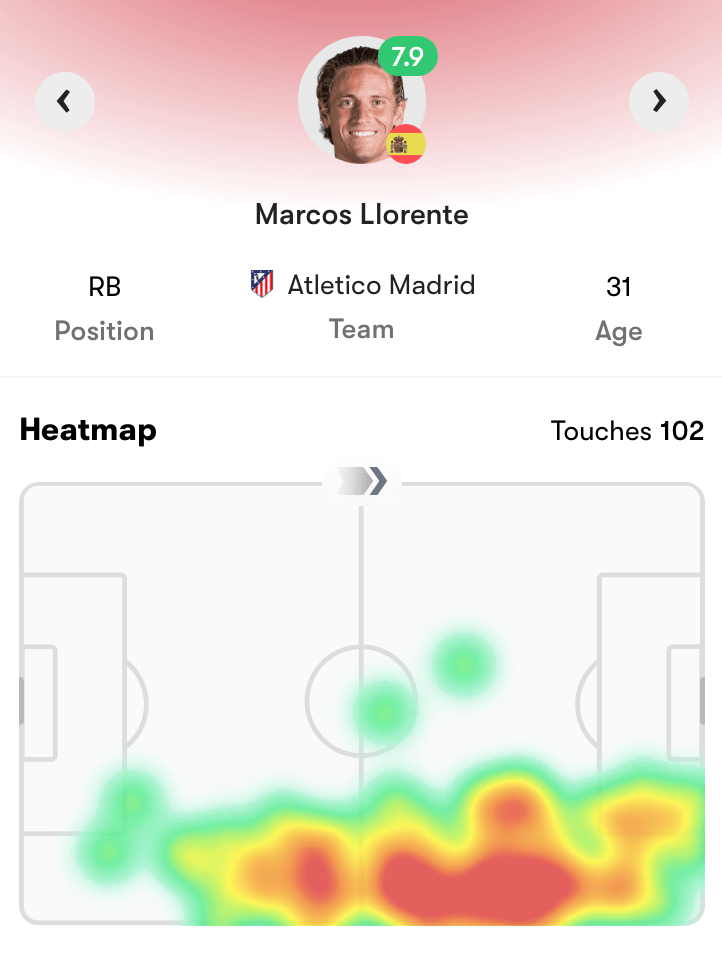
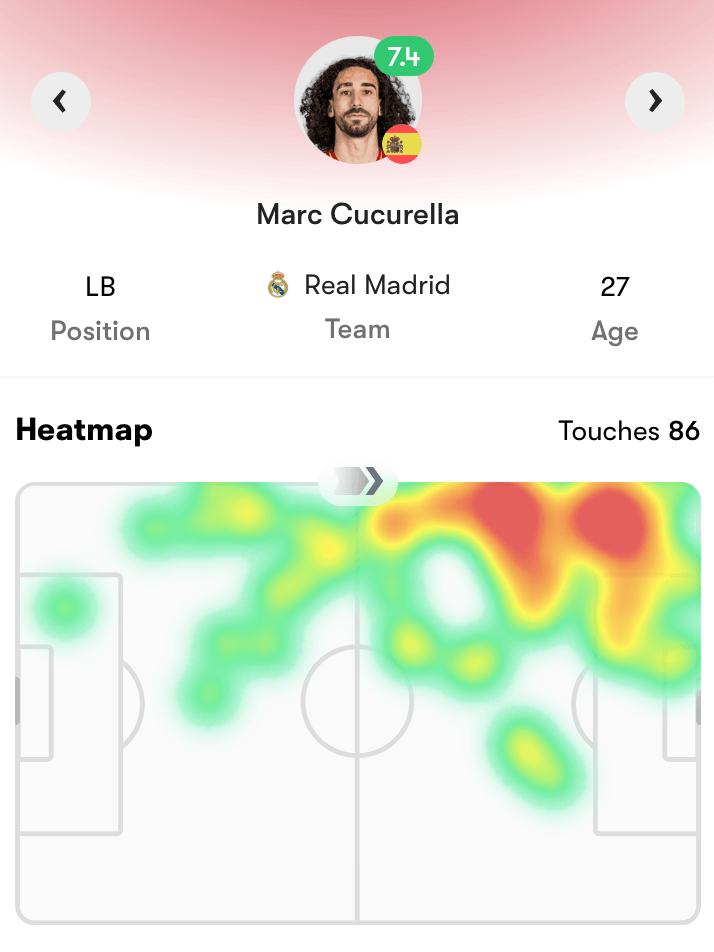
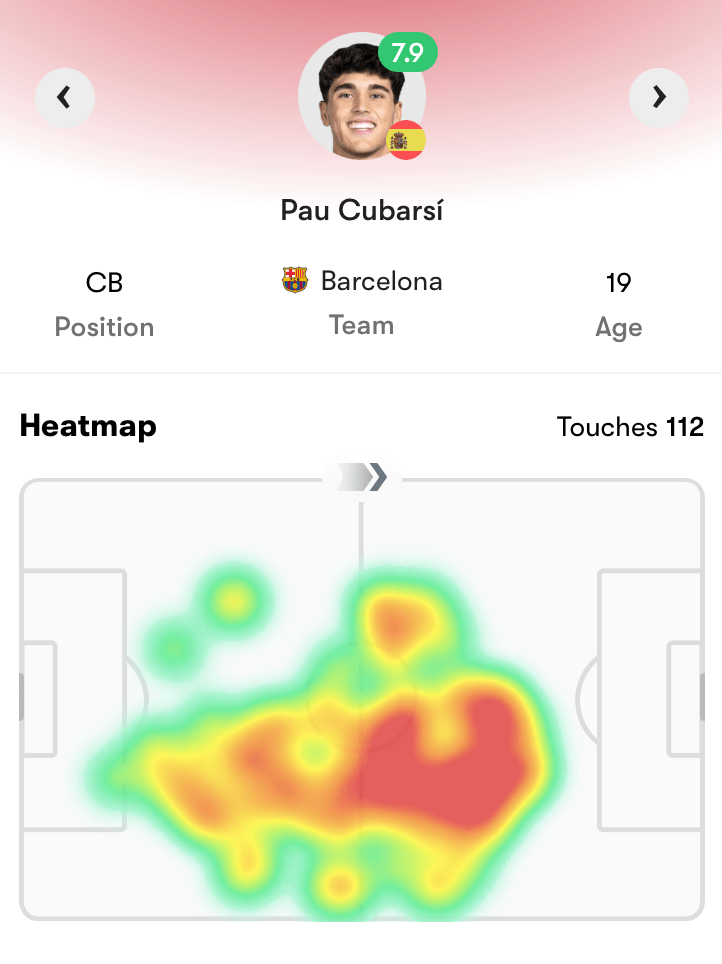
In the 25 matches they’ve played since their loss to South Africa in the quarterfinals, Cabo Verde have lost six games (Note: I’m not counting losses in penalty shootouts in friendly matches as defeats, but this happened twice in that span). Three of those losses were 1-0 defeats. And in those 25 games, four were matches in which they allowed 2 or more goals. They played current World Cup participants Egypt several times and faced Iran in that 25 game stretch. They recently played other notable international opposition like Serbia, Finland, and Georgia, defeating the Serbians and tying the Finnish and Georgians.
Cabo Verde’s result against the number 2 ranked nation in the world was impressive, and they delivered their game plan well. Cabo Verde, however, proved before the game that they were more than capable.
A large part of Cabo Verde’s identity is defensive solidity, and it’s getting them results. Most importantly, they got their first points in their World Cup debut. In such a high profile result against Spain, the challenge is whether they can do this again against Uruguay and Saudi Arabia as both teams likely know what to expect from the Blue Sharks.
But it’s no exaggeration: Cabo Verde is a force to be reckoned with in African football and definitely in this World Cup.

 SuperBafanaStars
Leave a comment