
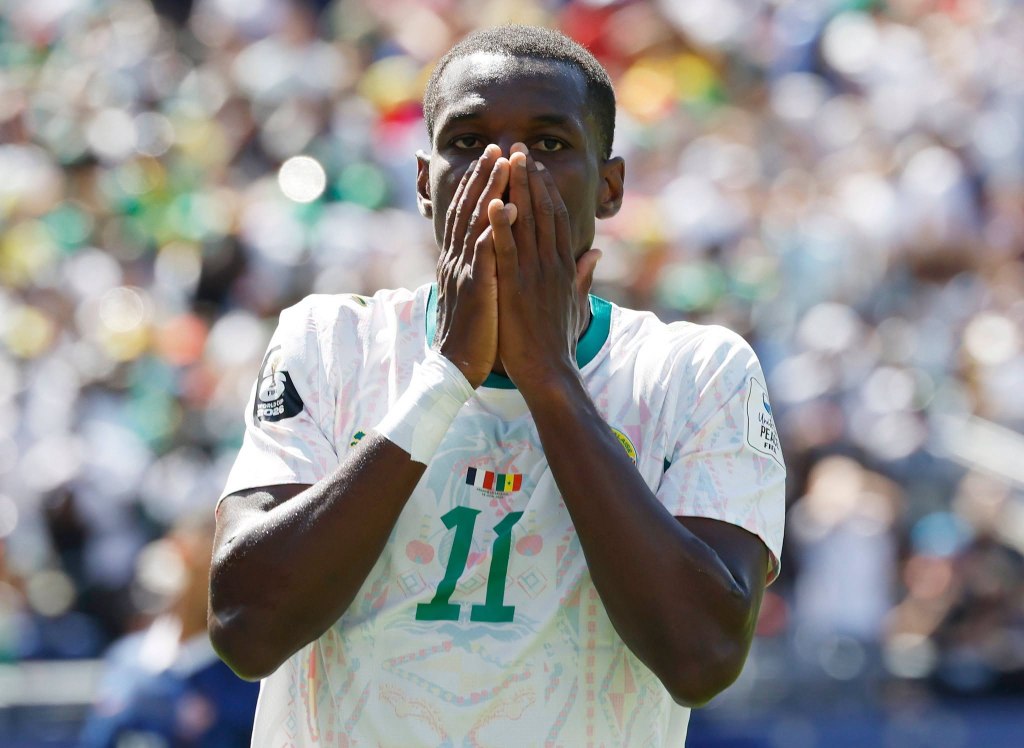
Following their opening match defeat to France, news recently broke out about the Senegal team experiencing administrative issues where their players received a delay in wages. The prize money the team received earlier this year based on their performance in the Africa Cup of Nations has been received but not been distributed by the federation to the players. These funds include the players’ bonus payments for their participation in the tournament. The head coach and former Senegal national team player Pape Thiaw was without a contract and hadn’t been paid for months but thats only been recently resolved. Yet Thiaw urges that these matters related to the administration and its delay of payments are no longer an issue, patriotism comes before everything, and nothing will distract the team from accomplishing their shared objective.
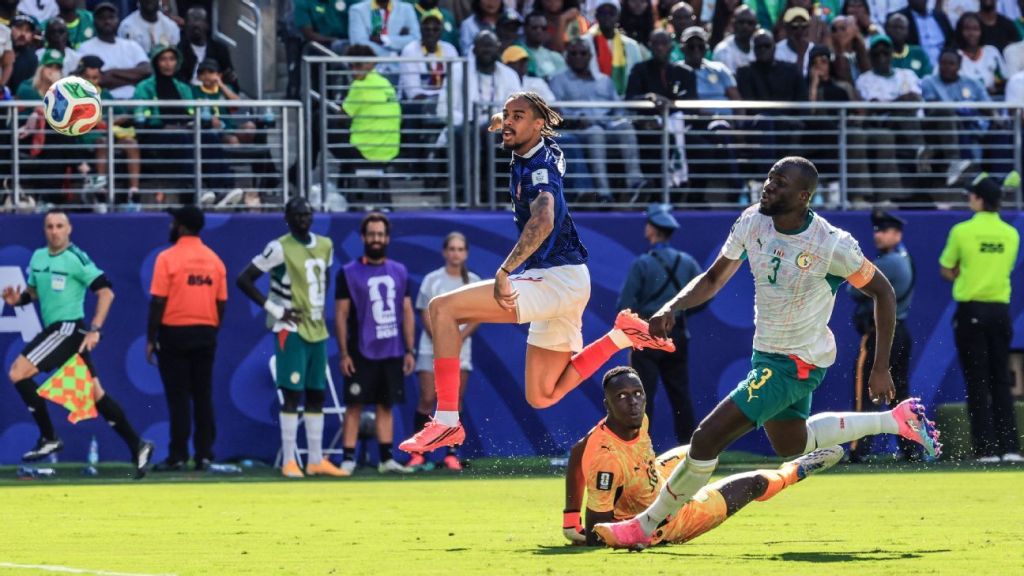
It’s an expected statement from a manager in charge, quieting the noise and assuring the team is focused on their upcoming matches.
But mismanagement of finances by the federation is a problem. And unfortunately, it’s a recurring one for African teams that must be nipped swiftly.
African football federations have exhibited a worrying pattern of delaying payments to their teams, and it’s happened many times on the global stage. In the 2014 World Cup in Brazil, the Ghana Football Association (GFA) had to charter a plane with roughly $2.5 million to pay the players their appearance bonuses after the team threatened to stop training. The Cameroon football team, in the same tournament, refused getting on the plane to Brazil until their bonuses were improved. As a result, the Cameroon Football Federation (FCF) had to take out a loan to pay the players their bonuses. The Nigeria Football Federation (NFF), after the 2023 Women’s World Cup, had an agreement with the women’s team that they would pay bonuses, but when FIFA mentioned each team World Cup nation would get participant bonuses, the NFF verbally withdrew their agreement saying their bonuses will come with the FIFA money. The players were supposed to receive wages for their 20+ days in training camp and before their Round-of-16 match against England. They received partial payments, but there was a delay in getting the other portion of their wages. I wouldn’t be surprised if they still didn’t get them three years later.
If this was happening to the Nigeria women’s team in 2023, then the men’s national team’s threat to boycott their quarterfinal match against Algeria due to a delay in the delivery of their bonuses makes sense. It’s no coincidence that Nigeria didn’t qualify for this summer’s World Cup. The symptoms of a struggling NFF have been apparent to the world since 2023. I can only imagine the challenges occurring away from the public eye.
It’s a serious issue football federations must address. It appears teams are capable of compartmentalizing the frequent mishaps occurring at the football federation and not letting unpaid wages affect their on-field performances. But that tolerance has a limit, and the longer the unpaid wages stay unpaid, there will be an inevitable tipping point for players, leading to strikes, boycotts, and other forms of expressing displeasure.
Why is this an issue? And why does it matter?
The bonus payments players and staff are entitled to come from a nation’s football governing body. The same applies for FIFA funds that are World Cup related. But funds are often misused by federations, which can explain the delay in disbursing bonus payments.
Let’s use South Africa as an example:
South Africa’s teams have been performing, but the governing body is subpar in comparison. It’s known that they have been delaying payments and that their youth football systems are breaking down. A gross misuse of funds by the South Africa Football Association (SAFA) since 2013. A former SAFA employee that worked in the finance department claimed when it came to finance inquests from the CEO or other senior members in leadership, they were told to just accept it. Additionally, there is little oversight from FIFA when it comes to the use of the money allocated to federations. This misconduct has had an impact on the delay of payments to SAFA staff and players, including the women’s team when they staged a 2023 boycott because they weren’t paid. A youth league dissolved because the funds originally allocated for development were instead added to cover administrative costs (flights, for example).
This is the same thing that could be happening with the Senegal Football Federation (FSF). They’ve received the prize money, but the funds could be misappropriated for other purposes. The issue of disbursement to the players and staff is clearly a problem.
This matters because of the potential implications for the footballing ecosystem. As is evident in South Africa, poor financial management has a cascading effect on women and youth teams. They run the risk of dissolving, which in turn negatively affects the upcoming generation looking to represent their country professionally.
Each World Cup team is guaranteed a minimum of $10.5 million for qualifying for the World Cup. Hopefully, Senegal and all African participants can make good use of this money for the long haul.


Leave a Reply