
Türkiye is an enthusiastic football nation. My initial introduction to the national team was their semi-final run in the 2008 Euros and their dramatic comeback against Czechia (overcoming a two-goal deficit in the last 15 minutes to secure a quarterfinal spot). Nihat Kahveci scored two brilliant goals to seal the thrilling win.
Nihat Kahveci was “him”, as the youth would say.
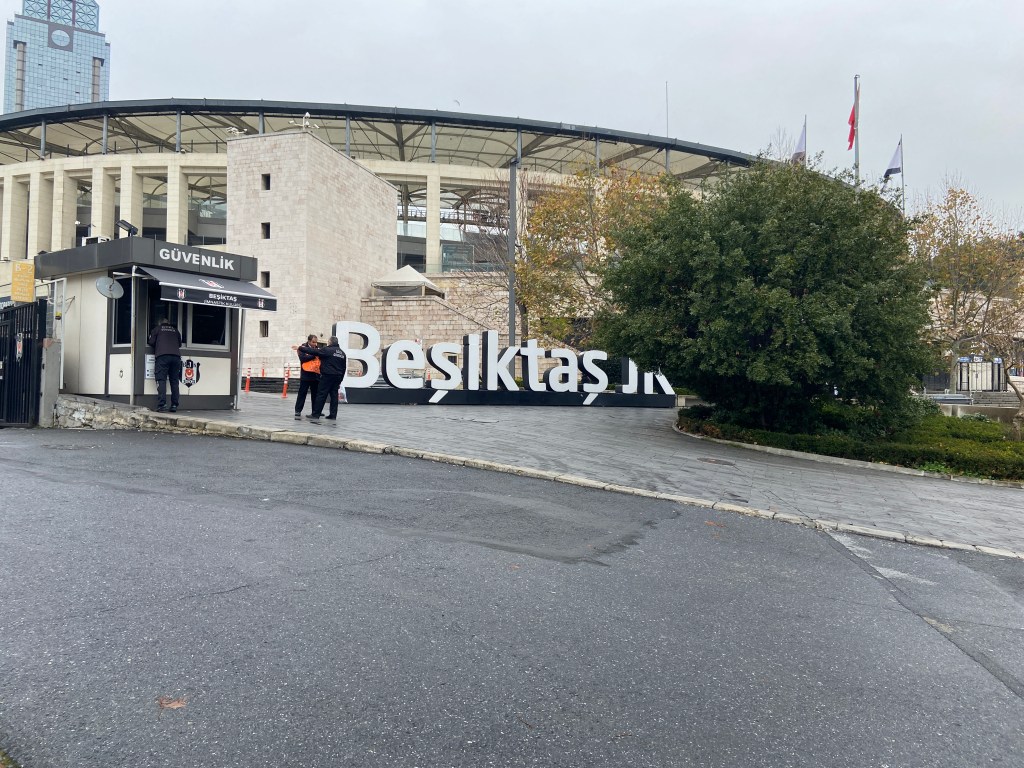
And after visiting Istanbul a few years ago, I arrived as a Galatasaray fan, but left a solid Beşiktaş supporter after walking around the Tüpraş Stadyumu during a home game against Alanyaspor. And when I was there, a club president stormed the field and struck a referee, leading to the week-long suspension of the Süper Lig.
Türkiye is a football-mad country. Even though the men’s national team had a poor showing in the 2026 World Cup, players in the Turkish league are contributing to their national team’s success in this summer’s tournament.
Thirteen African players in the World Cup play their club football in Türkiye. And this is only mentioning the African players that are currently playing for a Turkish team, as Jean Michael Seri, Nicolas Pepe, Arthur Masuaku, and others have previously played in the Süper Lig. Prominent players from the past, such as Jay Jay Okocha, Didier Drogba, Demba Ba, Papiss Cissé, and Samuel Eto’o ventured to Türkiye to play football. African players tend to have an affinity for the Turkish league, and I can see why it’s lucrative.
African Süper Lig Players in the World Cup
| Player Name | Süper Lig Club | African Nation |
| Jerome Opoku | İstanbul Bașakşehir | Ghana |
| Sidney Lopes Cabral | Trabzonspor | Cabo Verde |
| Wagner Pina | Trabzonspor | Cabo Verde |
| Nuno da Costa | İstanbul Bașakşehir | Cabo Verde |
| Mortadha Ben Ouanes | Kasımpaşa S.K. | Tunisia |
| Yahia Fofana | Çaykur Rizespor | Côte d’Ivoire |
| Wilfried Singo | Galatasaray | Côte d’Ivoire |
| Emmanuel Agbadou | Beşiktaş | Côte d’Ivoire |
| Christ Inao Oülai | Trabzonspor | Côte d’Ivoire |
| Ismail Jakobs | Galatasaray | Senegal |
| Cherif Ndiaye | Samsunspor | Senegal |
| Meschack Elia | Alanyaspor | Democratic Republic of Congo |
| Sofyan Amrabat | Fenerbahçe | Morocco |
Competition, Compensation, and Care
Süper Lig provides a competitive league with adequate compensation and a genuine care for its players. Competition-wise, the big three of Galatasaray, Fenerbahçe, and Beşiktaş are capable of mounting a title challenge each season. In the odd year, İstanbul Bașakşehir and Trabzonspor can also compete for the title, or at the very least, contest for a Champions League position. That’s five teams that are pre-season league champion favorites. In addition to competition, if big-city life is important to a player, a third of the Süper Lig clubs are based in Istanbul.
The compensation package isn’t too bad either. Galatasaray’s pursuit of Nigeria star striker Victor Osimhen was partly made possible due to their ability to pay his €360,000 wages. His compensation is an anomaly in the Süper Lig but on average, below is the annual compensation breakdown of African players in the big three of the Süper Lig:
- Galatasaray: The highest African earner (annual wages and bonuses) is Osimhen, at €20M a year. The next highest African earner for Galatasaray is on €7.5M a year
- Beşiktaş: The highest African earner (annual wages and bonuses) is on €3.9M a year
- Fenerbahçe: The highest African earner (annual wages and bonuses) is on €2.5M a year.
The average annual compensation of the highest African earner from the Süper Lig big three (€7.5M + €3.9M + €2.5M / 3) is €4.6M, surpassing that of African players at UEFA Champions League/Europa League/Conference League clubs Juventus, Milan, Leipzig, Sunderland, and RC Lens.
And then there’s the last bit on care. Osimhen said in his Player’s Tribune essay that he felt wanted by Galatasaray after the long dispute with his former club, SSC Napoli. This is what he said in his Player’s Tribune article about Galatasary:
“When I spoke to Okan Buruk on the phone, before I signed, he told me, ‘I’m here to tell you that I personally, as a person and as a coach and as a father, I want you in my club. And I know these fans will love you a lot. Even when you’re going through a hard time, this club is the one that is going to back you.’”
That’s likely how a lot of other African players feel when they make the switch to the Süper Lig. They feel wanted by their club and supported.
Süper Lig Players’ Impact in the 2026 World Cup
A number of African Süper Lig players have made an impact already in this World Cup, with some vying for a spot in the quarterfinals. Here’s a breakdown of each of the 13 players and their impact so far this World Cup:
Jerome Opoku – Started the first two games against Panama and England, and the central defender was critical in providing solidity to the defense during back-to-back clean sheets
Sidney Lopes Cabral – The left back started the first two group games, and was instrumental to Cabo Verde’s historic clean sheet against Spain. He was suspended for the third group game against Saudi Arabia after accumulating two yellow cards, but he will be available for the match against Argentina.
Wagner Pina – The right back started his first and only game for Cabo Verde in the 0-0 draw against Saudi Arabia, the match that took the Blue Sharks to the Round of 32 for the first time in their history.
Nuno da Costa – The striker featured in all three group games as a substitute and played the last 30 minutes of each game.
Mortadha Ben Ouanes – The winger only featured in the last 20 minutes of Tunisia’s final group game against the Netherlands, a meaningless match for the North African side as they were already eliminated.
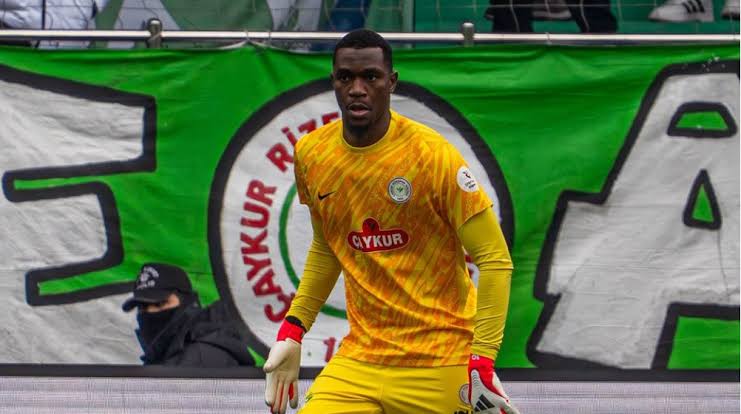
Yahia Fofana – The goalkeeper kept two clean sheets against Ecuador and Curacao, and helped Côte d’Ivoire advance to the knockout stage for the first time in their history
Wilfried Singo – The central defender provided the game-winning assist for Côte d’Ivoire’s win against Ecuador. The defender, unfortunately, got injured and was unable to participate in the last group game or their Round of 32 match against Norway.
Emmanuel Agbadou – The central defender was also instrumental in their opening win against Ecuador, and played three of the four games for Les Elephants.
Christ Inao Oulaï – The young, energetic central midfielder provided a mixture of attacking drive and defensive bite. He was a spot-start player, but he will be a mainstay for Côte d’Ivoire very soon.
Ismail Jakobs – The left back’s 2026 World Cup debut came in the 3-2 loss against Norway, after coming on as a substitute. His positive impact led him to start the must-win match against Iraq in which the Lions of Teranga won 5-0, taking Senegal through to the Round of 32 on goal difference.
Cherif Ndiaye – The Senegalese forward has yet to make his 2026 World Cup debut.
Meschack Elia – the winger provided the game-sealing assist to Yoan Wissa, ensuring the Democratic Republic of Congo’s place in the Round of 32 as the best third-place team in the tournament.
Sofyan Amrabat – The central midfielder played the full 90 minutes in the last group game against Haiti. Their win solidified Morocco’s 2nd place finish in their group.
African Süper Lig players are contributing significantly in this World Cup. Let’s see if they can continue making a difference as the tournament progresses!
Follow me on Bluesky!


Leave a Reply