
July 2, 2010 in Johannesburg had one of the most thrilling quarterfinals in World Cup history, where Ghana faced Uruguay. I remember that Sulley Muntari ridiculous strike from almost half field. I recall Diego Forlan’s free-kick to tie the game. But in the dying minutes of the second half of extra time came “the handball”.
You know which one I’m talking about.
And Asamoah Gyan’s penalty crashed off the crossbar, sending the game to penalties, with Uruguay heading to the semi-finals.
It was a game I did not get over for a while given how emotionally taxing it was. Marcel Desailly’s reaction to Gyan’s missed penalty gets me every time:
Ultimately, as the cliche goes, it’s a game of margins. Nearly 16 years to the day of that infamous penalty miss, two African nations exited the tournament in heartbreaking style, and inches (centimeters, depending on your preferred unit of measurement) made the difference on the field. But off the field, there are some margins that are out of the control of the players that could make a difference in the performance of a football team: stability in football federations. The running of African football federations is below the desired standard, and must be fixed to provide long-term, unprecedented success.
FECOFA & FSF Challenges
Democratic Republic of Congo nearly completed one of the most memorable upsets in the tournament after going up a goal early on. It took England and Harry Kane until the 75th minute to deliver his standard goal scoring habits, winning them the game. DRC was solid defensively, with the whole starting backline (who all played in the English Premier League at some point) played at an elite level, especially Chancel Mbemba and Axel Tuanzebe. But the manner in which they lost was disappointing.
The thing I take pride in is the fact that they gave England a very tough time. They were not fearful, but they just got tired in the end. I remember in 2006 when Ghana made their first knockout appearance in their first ever World Cup. They faced reigning World Cup champions Brazil and lost 3-0. Most African teams in the World Cup this year did not experience sheer domination from opponents of a higher pedigree. But Democratic Republic of Congo, in their second ever World Cup in over 50 years, did a remarkable looking at the bigger picture.
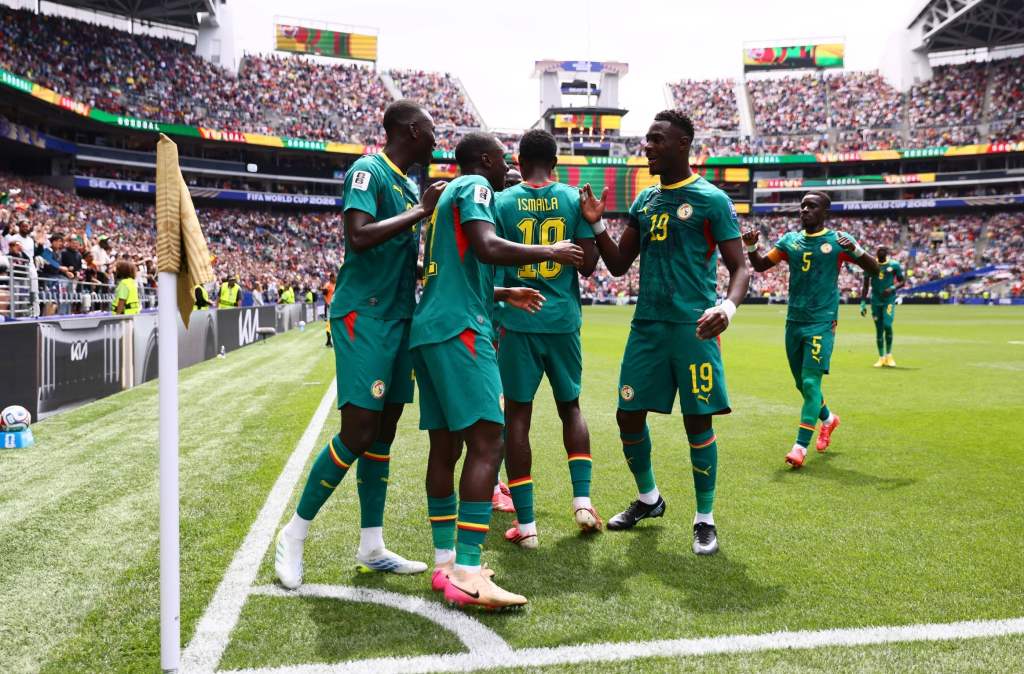
Senegal’s loss hurt more, given the Lions of Teranga had a two-goal lead, yet let the advantage disappear in a matter of three minutes shortly before the end of the game. You could sense panic in the players once it became 2-1, and it was a goalkeeping error that led to Belgium completing the comeback. Another error unfortunately by Senegal led to the penalty awarded to Belgium which eventually got them the win minutes before the end of the game in extra time.
But these teams still had something left to give in this tournament.
It makes me wonder, how far would these teams have gone if they didn’t have the recent administrative distractions from FECOFA and FSF leading up to the start of the tournament. For instance, Democratic Republic of Congo’s football federation, FECOFA, had a FIFA-ordered normalization committee established for two years because the federation was poorly run. The then CAF secretary general (and current newly elected FECOFA president) Véron Mosengo-Omba described the Democratic Republic of Congo governing body as “irregular, unhealthy, and deadlocked”. They didn’t have a president for a few years and this committee was supposed to be in place for only seven months (ending November 2023) but the normalization committee was instituted for two years. The committee helped rehabilitate FECOFA, but the mismanagement of FECOFA prior to FIFA’s intervention was preventable and it undoubtedly disrupted years of progress.
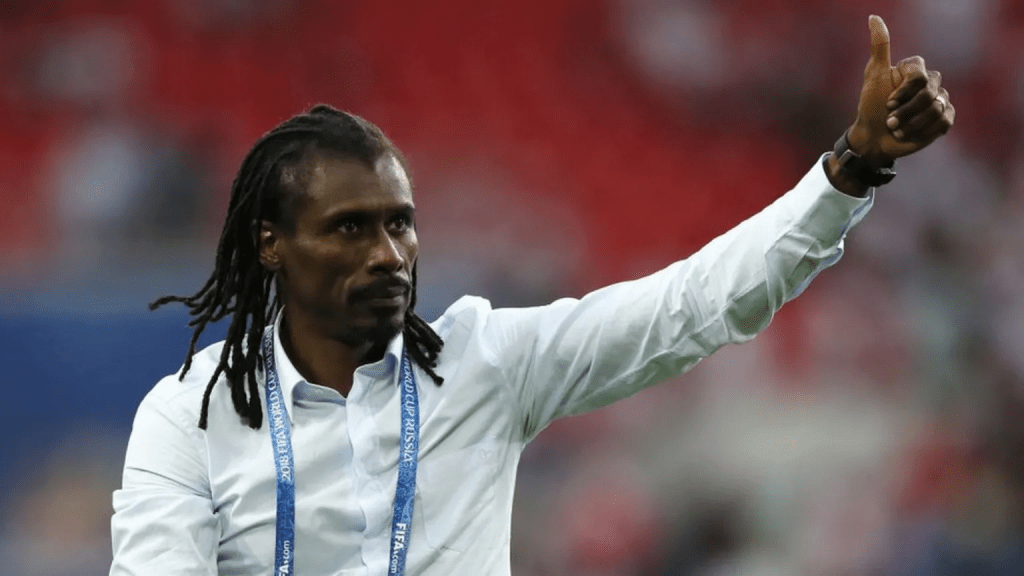
And for Senegal football federation, FSF, they were criticized for not paying their players and staff bonuses in a timely manner. Their manager was unpaid for five months. Additionally, midfielder Pape Gueye announced his retirement from international football following their shock defeat to Belgium. Gueye was substituted in the 66th minute and lost his starting spot in the last group game, but was subbed on and contributed to three of the five goals Senegal scored. His retirement is connected to his displeasure with the team’s current technical staff. Of course, this is probably reactionary, and even Lionel Messi retired from the national team in 2016 after losing the Copa América final (and it’s likely a Belgium player would’ve done the same if they lost because some questionable substitutions were made by the manager). But the technical staff could be a symptom of the problem with FSF. Senegal’s coach preceding Pape Thiaw was Aliou Cissé, arguably the team’s greatest manager in their history. FSF let him go after FSF was in conflict with Senegal’s minister of sport and FSF couldn’t oppose their decision. Former FSF president Augustin Senghor admitted the conflict was not ideal, and that moving forward there needs to be “a framework of stability.”
Players can only do so much, and it’s up to the federations to support the players to the maximum. Unfortunately, the administrative issues are not unique to only FECOFA and FSF but a lot of African football governing bodies and must improve—these margins could very well make the difference for African teams advancing far and winning the World Cup.
Follow me on Bluesky!


Leave a Reply