
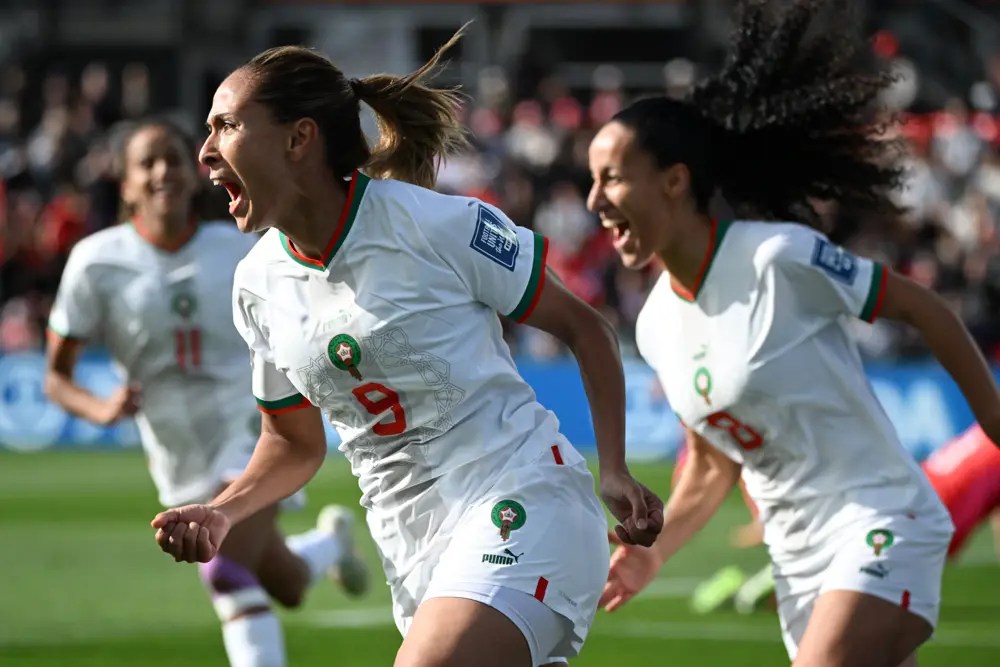
The way Morocco played was not what watchers of the Atlas Lions have been accustomed to seeing. There were moments of ill-discipline. And the first half was all Canada, who looked like the team to score the first goal and mount an upset.
But in the second half, it was a familiar Morocco. I haven’t watched too much of young central midfielder Ayyoub Bouaddi, but when I saw him against Brazil in the first group game, I noticed something different about him that stood out, but I couldn’t quite identify what it was. But today, I could name it. He, for one, covers a ton of ground on the field. He can chase down an attacker, as he was responsible for marking Ali Ahmed when he would run down the left channel. And Bouaddi places himself in the right defensive positions to block a shot or intercept a pass.
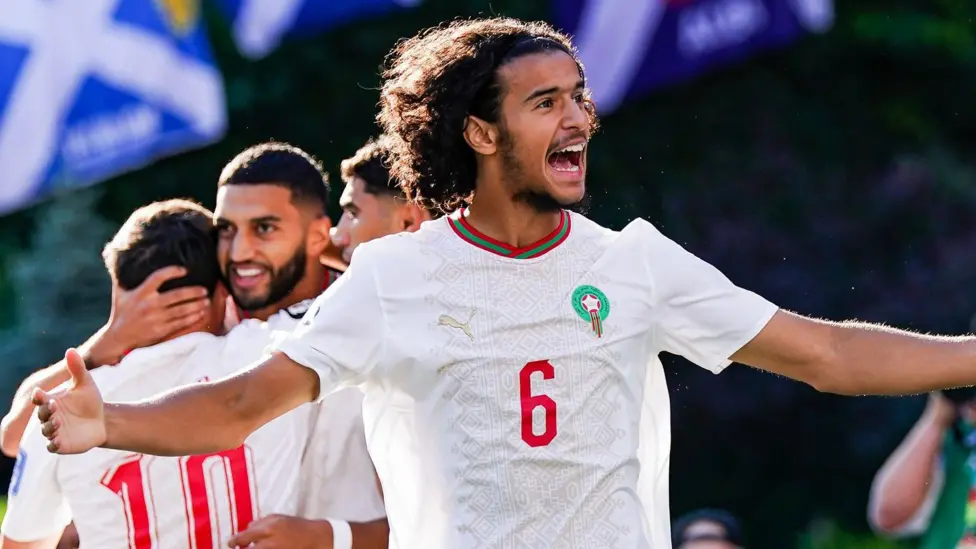
So now they play Les Bleus of France, a rematch of the 2022 World Cup semifinal. Making quarterfinals in consecutive World Cups (the first African nation to do so) is a big achievement and a testament to the football governing body and its strategic planning.
The Royal Moroccan Football Federation (FRMF) has been investing intentionally in football. Recently, they have hosted the African Nations Championship (CHAN) back in 2018 (this tournament is only for players that play their club football in Africa). They’ve also hosted the FIFA Club World Cup three times, the Africa Cup of Nations (AFCON) twice, and the Women’s Africa Cup of Nations (WAFCON) three tournaments in a row. They’ve also hosted the 2022 and 2024 Women’s Champions League finals. Together with King Mohamed VI, a big football center was constructed in Rabat. And one neat thing is the FRMF mandated that the men’s clubs that already exist must also have a women’s team and a U17 team in order to maintain top-flight status.
The time and devotion put into Moroccan football is evident, and the Atlas Lions have benefited after advancing to the quarterfinals in consecutive World Cups. But even with these concerted efforts, women’s football still doesn’t appear to be a priority in Morocco. Yes, the Atlas Lionesses have made final appearances in the last two WAFCON tournaments, but with the postponement of the Morocco-hosted WAFCON tournament from March 2026 to July 2026 (announced 12 days before the tournament’s start date), it’s valid to question Morocco’s commitment to women’s football and WAFCON. CAF attributed the postponement to “unforeseen circumstances.”
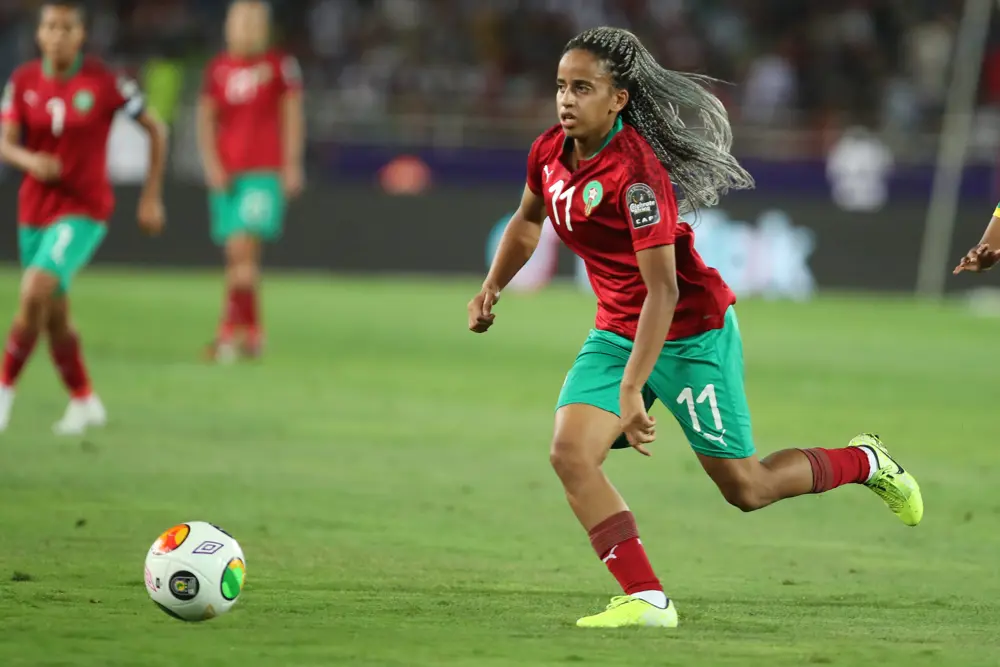
That’s just a polite way of saying Morocco wasn’t ready.
Below is a quote from ESPN’s Ed Dove, written shortly after the news that this summer’s WAFCON will be postponed to July:
“As CAF stated in Thursday’s statement, the tournament was awarded to Morocco in October 2024, they’ve had plenty of time to flag scheduling concerns and raise any objections before the clock ticked down to these final weeks. Why were these logistical issues not flagged earlier, when the Botola (top professional division for Morocco men’s club football) fixture backlog has been visible for months? Why have Morocco agreed to allow reportedly almost a dozen men’s national teams to train and/or play on their territory later this month, a generous act of hospitality which has ultimately (inadvertently?) come at the expense of the WAFCON? Even if Morocco only signalled their difficulties as late as February, was there still not enough time to move the tournament to South Africa and preserve the original dates?”
Morocco wasn’t ready in March to host, and it’s a result of poor planning on their part. CAF is also to blame. As the African football confederation, they must have had the authority to make an executive decision and implement their contingency plan (assuming one was already pre-established) of awarding the tournament hosting rights to an alternate nation (like South Africa, for example). The delay of WAFCON negatively inconvenienced the players and teams as they now have to restart their tournament preparations. It also impacted journalists as they had to rebook travel plans during the period where flights were really expensive. And this tournament is also serving as the 2027 World Cup qualification so it’s a critical tournament.
WAFCON is a tournament that is growing in popularity and needs to be cherished. There’s no question that Morocco, as a 2030 World Cup joint host, would do everything to deliver a top-quality tournament. Similar dedication and attention to detail must apply to women’s football tournaments, especially WAFCON. It deserves all the attention and care.
Follow me on Bluesky!


Leave a Reply