
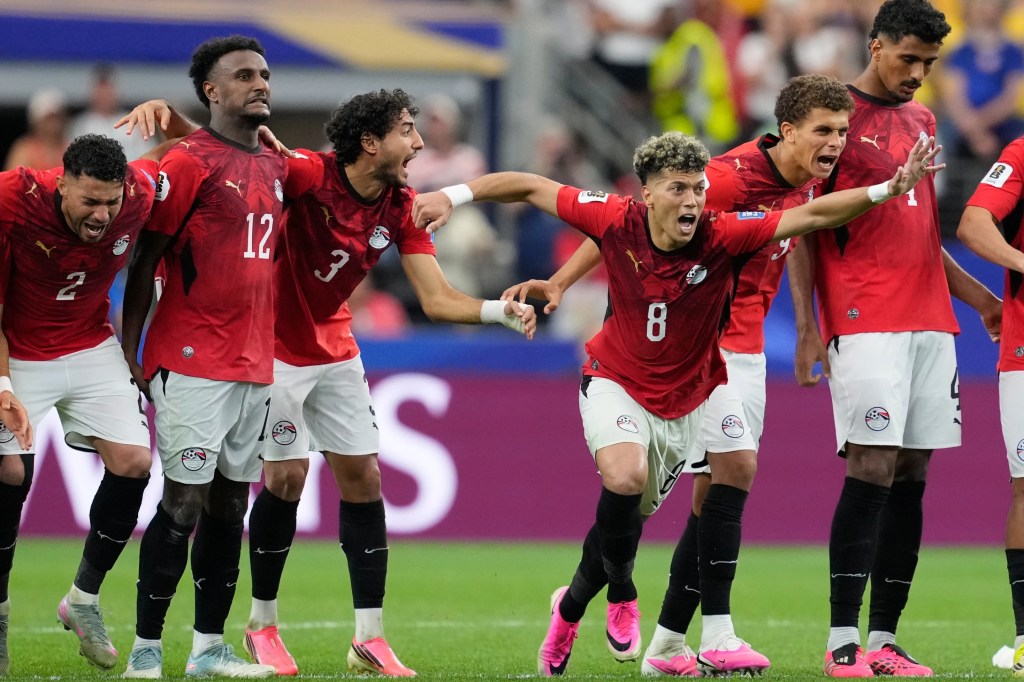
Back in the 1934 World Cup, Egypt faced Hungary, losing 4-2 in their only game of the tournament (the format for this tournament had single elimination games with no group stage). After Egypt’s penalty shootout win against Australia in the 2026 World Cup, they made team history for advancing to the Round of 16 of the World Cup for the first time. The players in 1934 were mostly playing their club football for either Al Ahly or Zamalek SC. Al Ahly and Zamalek players were critical in today’s victory as well, given that the game-winning penalty was scored by Hossam Abdelmaguid, a defender for Zamalek, and the opening goal was scored by Emam Ashour, an Al Ahly player.
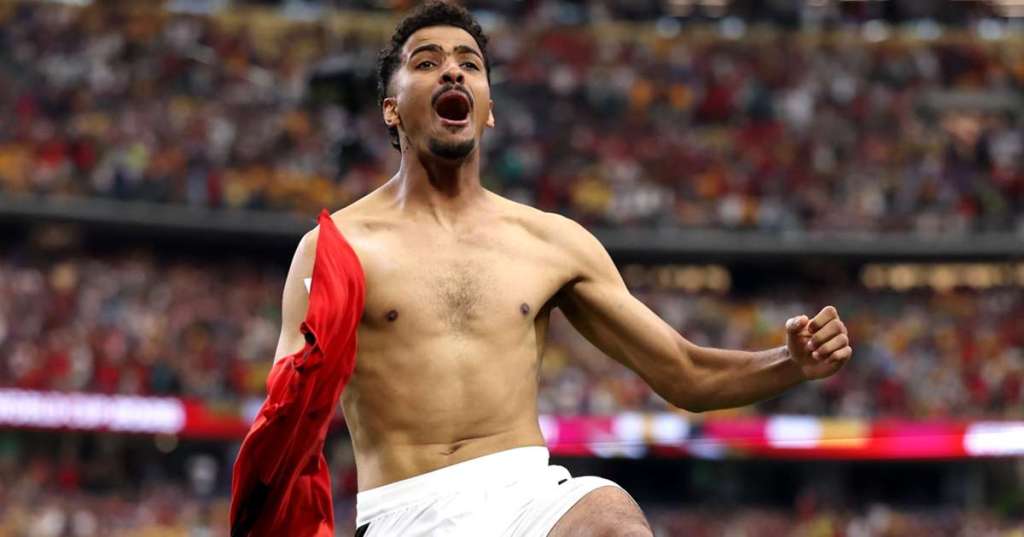
Historically, Egypt has advanced to the World Cup four times (1934, 1990, 2018, and 2026). And I have a theory: players who play club football domestically are driving the success of African teams in the World Cup, and the storied clubs of Al Ahly and Zamalek are making an impact on the big stage for Egypt.
Below is a record of the number of players playing in Egypt in the squad and their progress in the World Cup:
- In the 1934 World Cup, the entire squad (20 players) played their club football in Egypt, with 12 out of 20 playing for either Zamalek or Al Ahly; they lost in their first and only game of the tournament
- In the 1990 World Cup, 20 of the 22 players played their club football in Egypt, with 15 out of 22 playing for either Zamalek or Al Ahly; finished fourth in their group and did not advance to the group stage
- In the 2018 World Cup, 14 of the 29 players were playing in Egypt, with 8 out of 29 players playing for either Zamalek or Al Ahly; they finished fourth in their group and did not advance to the group stage
- In the 2026 World Cup, 18 players are currently playing in Egypt, with 11 out of the 26 players playing for either Zamalek or Al Ahly
Doesn’t seem my theory holds just by looking at the numbers, but context is important. Given 1990 was their first World Cup in over 50 years, it was a whole new cast of players that hadn’t participated in the World Cup. The break between 2018 and 2026 had three players that played in both tournaments, thus I believe experience coupled with the amount of domestic players in the squad helped with their progression to the Round of 16. Additionally, the domestic league in the 1989/1990 season was suspended to allow for the team to prepare for the World Cup. The last match in the league occurred January 1990, with Egypt’s first match occurring June 1990. That six month hiatus of the players not playing competitive league football could have been a disadvantage for the players as they were in the same group with England, the Netherlands, and the Republic of Ireland, all of which had their premier divisions play full seasons leading up to the 1990 World Cup.
Al Ahly Success
I was really impressed with Al Ahly last summer during the Club World Cup. In the opening game of the tournament, they had several chances against Inter Miami. One could argue they were the better team against the MLS side. I recall Emam Ashour getting injured in the first 15 minutes, leaving the field in tears as he was substituted. One of my favorite players was Danish-born Palestinian striker Wessam Abu Ali, who was one of the active players in that match against Inter Miami but Inter’s goalkeeper was having a fine game, swatting away his attempts on goal. Abu Ali finally showed his class against FC Porto later in the tournament, scoring a hat trick. They didn’t win the tournament, but that’s not a reflection of their accomplishments. This club is spoiled with trophies.
They’ve won El Dawry (the Egyptian Premier League) 45 times since 1948. They’ve won the treble (Egyptian Premier League, Egypt Cup, and CAF Champions League) six times, including two back-to-back trebles. Al Ahly are the winningest club in the CAF Champions League with 12 titles. In the current CAF club rankings, they are the best club in Africa. They’ve produced some of the best talents in Egyptian football history (surprisingly, not including Mohamed Elneny or Mohamed Salah) but Mohamed Aboutrika is one key player that’s a product of Al Ahly.
Zamalek Success
I’ve never had the pleasure of watching Zamalek play, but my dad always mentioned how dominant they were in Africa in the 80’s. It makes sense as to why they were labeled the “Club of the Century,” considering the plethora of continental titles won in the 20th Century, winning 4 African Cup of Champions Clubs titles (known as the CAF Champions League now), 2 CAF Super Cups, and 1 African Winners Cup in that period. Overall, Zamalek has amassed 15 Egyptian Premier League titles and 29 Egyptian Cups. And no, Zamalek did not produce Salah or Elneny (Al Mokawloon produced them).
It’s something that appears to be a recipe for success in the World Cup amongst African teams, where the majority of the players play in the domestic leagues (take South Africa, for example). African teams with squads predominantly consisting of players who play their club football domestically are experiencing unprecedented success in the World Cup.
This is the way. And may it long continue.
Follow me on Bluesky!


Leave a Reply